Best Foods for Bartering During Conflict
In a warzone, traditional currency often becomes useless. Bartering replaces money, and food becomes one of the most valuable assets for trade. The best foods for bartering are durable, portable, calorie-dense, and universally needed. I have a storage box in a cache with some food and gear for bartering. I need to get some small containers to store stuff for bartering.
Top Barter-Ready Foods
- Salt
- Essential for food preservation, seasoning, and health
- Rare in many war-torn areas, making it highly tradable
- Store in small, portable containers
- Sugar & Sweeteners
- Quick energy source and luxury item
- Also used in some medical remedies
- Honey is especially long-lasting and valuable
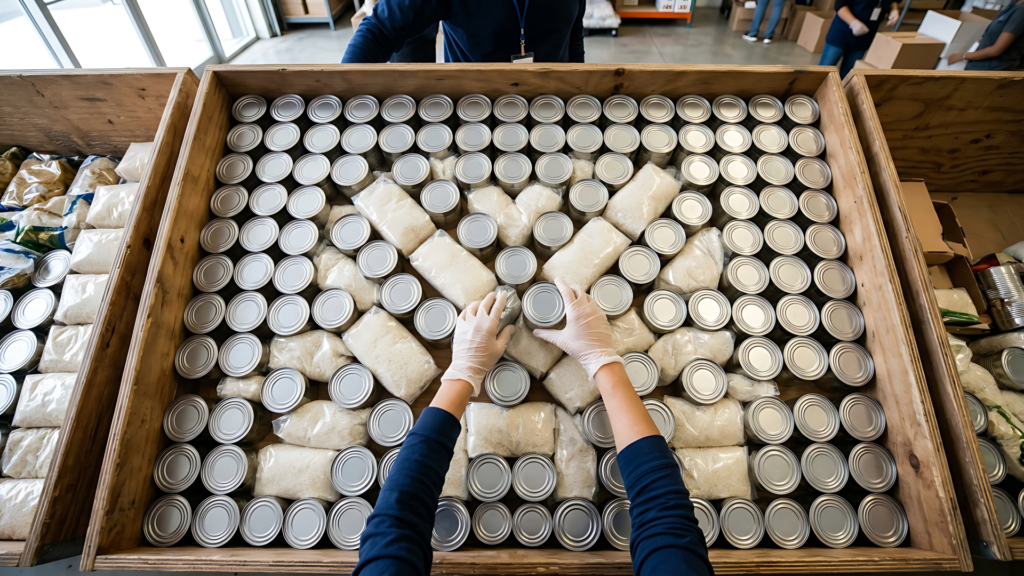
- Canned Goods
- No cooking required, long shelf life
- Ideal: canned meats, fruits, and vegetables
- Ensure cans are undamaged and sealed
- Dried Staples
- Beans, rice, oats, and grains are lightweight and easy to store
- Seal in small bags for transport and trade
- Hard Candies & Sweets
- Provide morale boosts and quick energy
- Individually wrapped for hygiene and shelf life
- Coffee & Tea
- Offer comfort and normalcy
- Small, sealed bags or tins are easy to barter
Related: How to Stockpile Food and Water and Purify Water Long-Term
- Spices & Seasonings
- Improve bland meals and lift morale
- Store in compact, sealed containers
- Alcohol (High-Proof)
- Used for wound cleaning, trading, and morale
- Choose small sealed bottles for safety and value
- Tobacco Products
- Addictive and always in demand
- Cigarettes and chewing tobacco make excellent barter items
- Baby Formula & Infant Food
- Crucial for families with infants
- Highly valuable due to scarcity
Read this: 17 Pioneer Skills We Should Learn
- Dried Milk Powder
- Multi-use product for drinking or baking
- Lightweight, long-lasting, and versatile

Bartering Tips for Survival
- Trade fairly — quality and portion size matter
- Develop a trusted barter network before you’re desperate
- Be ready to negotiate, but stay firm on essentials
- Stay alert to avoid scams or dangerous trade situations
- Keep trade items hidden and protected from theft
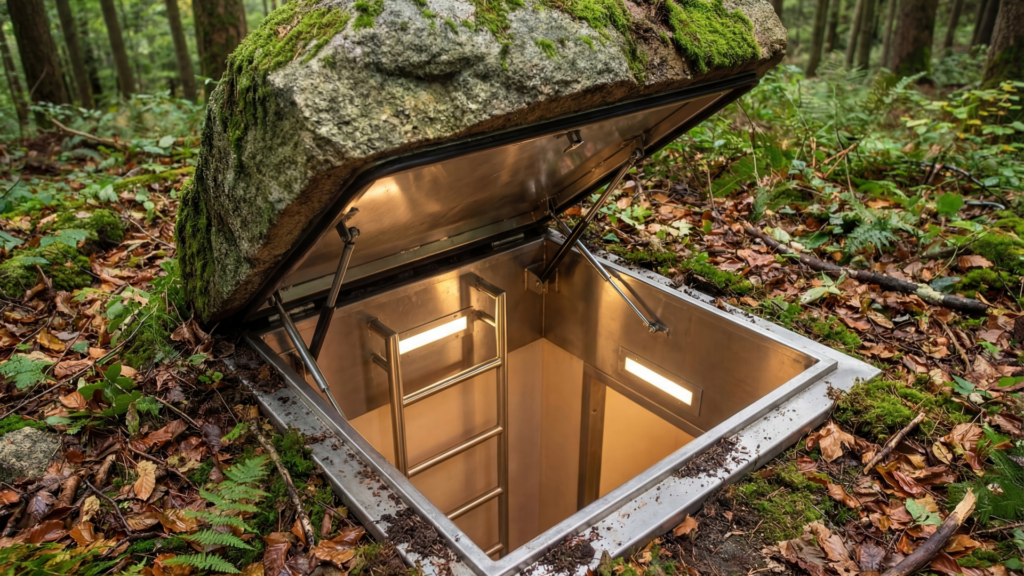
How to Build a Hidden Underground Food Cache
Even your home can become vulnerable in a crisis. A well-hidden underground food cache can mean the difference between starvation and survival when your primary supplies are compromised.

Choosing the Right Location
Pick a spot that is:
- Away from high-traffic areas but still accessible to you
- Naturally concealed by vegetation or terrain
- Not prone to flooding, digging animals, or discovery
Ideal spots include:
- Forested areas
- Natural depressions
- Abandoned properties or behind landmarks
Avoid locations too close to your home or common bug-out paths.
Related: Survival Prepping 101 Part 3: Food Storage
Depth and Camouflage
- 3–4 feet deep is enough to hide the cache, but shallow enough to access quickly
- Cover the site with:
- Leaves, grass, branches
- Rocks or logs arranged to blend in naturally
- Scatter soil to avoid obvious digging signs
- Consider planting native vegetation on top for disguise
Best Containers for Caching
Use containers that are:
- Waterproof and rodent-proof
- Airtight and made of food-grade material
Recommended options:
- Plastic buckets with gamma lids
- Sealed metal drums (lined with Mylar)
- Heavy-duty PVC tubes with end caps
Avoid glass jars unless carefully padded — they’re prone to breaking.
Waterproofing and Preservation
- Use oxygen absorbers, silica gel packs, or vacuum-seal packaging
- Wrap containers in plastic or use silicone caulk for extra protection
- Choose sandy or well-drained soil to avoid moisture buildup
Ideal Foods for Underground Storage
Store items that are:
- High-calorie, nutrient-dense, compact
- Shelf-stable for years
Best choices:
- Dehydrated meals and freeze-dried foods
- Rice, beans, oats, and powdered milk
- Salt, honey, and sugar (indefinite shelf life)
- Canned meats and vegetables
- Small fire-starting kits and water purification tablets (optional bonus supplies)
Rodent and Animal Protection
To avoid attracting wildlife:
- Use odor-proof containers
- Sprinkle ashes, cayenne pepper, or lime around the site
- Avoid burial near burrows or animal trails
Marking and Accessing the Cache
- Don’t make it obvious — mark with subtle cues:
- Rock piles
- Carved tree bark
- Natural-looking log placements
- Save GPS coordinates or create a coded map using nearby landmarks
- Use multiple caches in different locations for redundancy
Maintenance and Rotation
- Check your cache every year or two
- Rotate food to avoid spoilage
- Choose areas that allow winter access if needed
Final Word on Warzone Food Prep
Bartering and underground caching are two of the most powerful food strategies in a high-risk environment. They give you flexibility, stealth, and security when everything else collapses. Build your bartering supplies, bury your backups, and you’ll be one step ahead when the chaos starts.
What do you think? Have you ever practiced bartering or built a hidden food cache? What worked — or what didn’t? Share your tips, questions, or experiences in the comments below. Your insight could help another prepper make smarter choices when it matters most. Let’s learn from each other and stay ready together.