Setting Up Safe Houses and Hideouts: Secure Locations
This post is a part of a hub page – 54 Conflict Survival Prepping Tips.
Setting up safe houses and hideouts requires strategic planning to ensure security, concealment, and sustainability. Whether evading hostile forces, escaping civil unrest, or securing a fallback location, a well-prepared safe house provides a temporary refuge where supplies can be stored, rest can be taken, and escape routes can be planned.
The key is selecting low-profile locations, reinforcing security, minimizing detection risks, and ensuring long-term viability. The first step is choosing the right location.
A good safe house should be hidden in plain sight or completely off the grid, depending on the level of threat. In urban environments, abandoned buildings, rented apartments, industrial warehouses, or even overlooked commercial spaces can serve as safe houses.
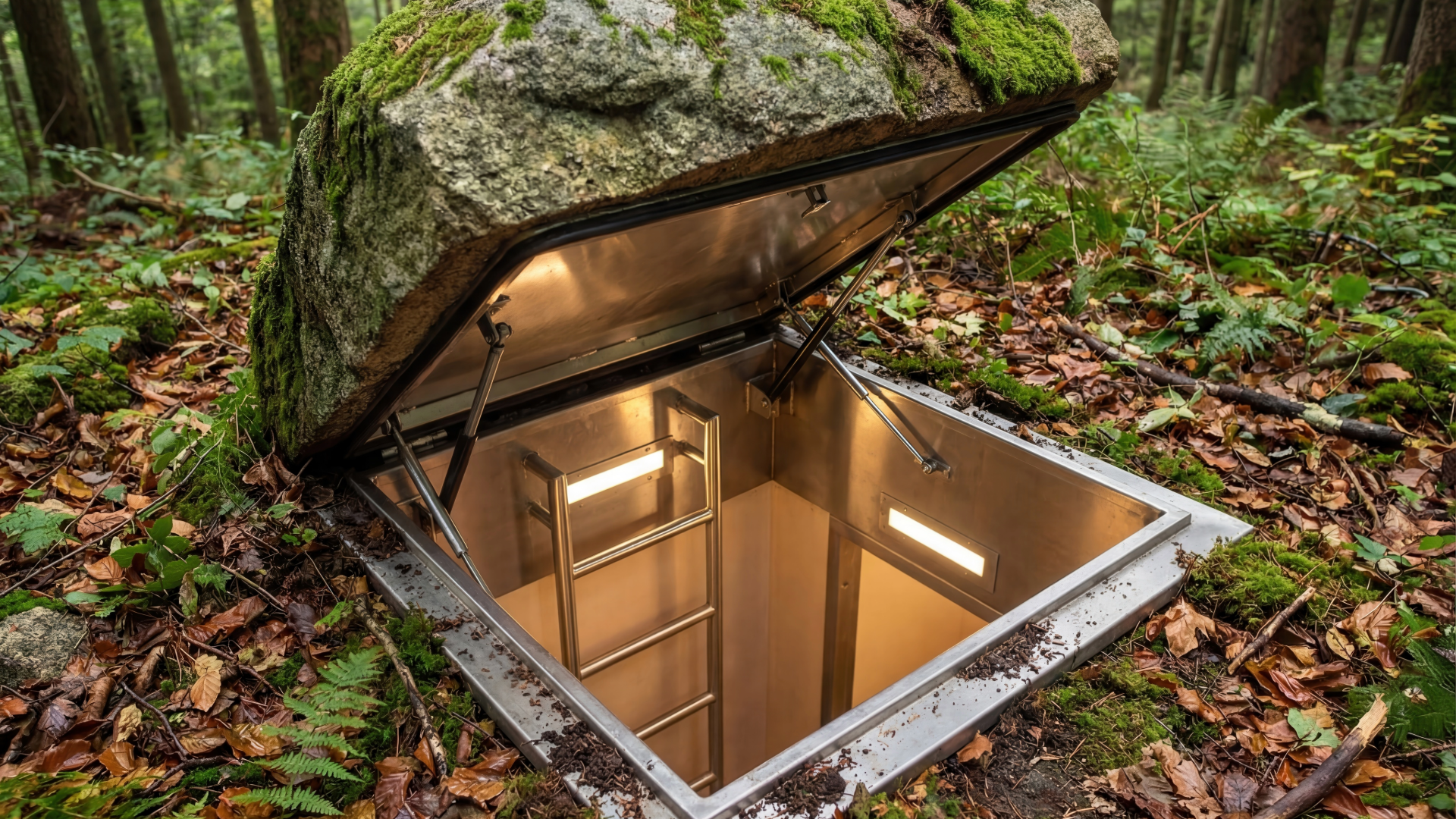
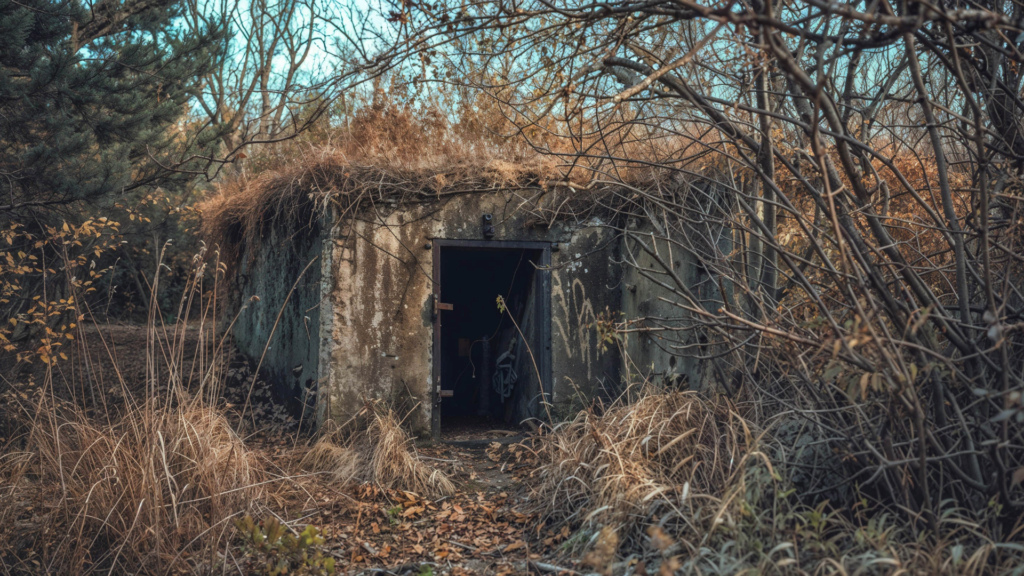
Locations in rundown areas, near transportation hubs, or inside buildings that appear unremarkable provide cover without drawing attention. In rural or wilderness settings, a safe house can be an abandoned cabin, a dugout shelter, or a camouflaged bunker in dense terrain.
A safe house should not be too close to main roads, police stations, military checkpoints, or highly populated areas. The best locations are those that provide multiple escape routes—such as alleyway access in urban areas or forested paths in rural environments.
Buildings with basements, attic access, or hidden tunnels offer additional security, ensuring that if the main entrance is compromised, there is a way out.
Before entering a potential safe house, it must be scouted for threats. Observing the building from a distance for signs of recent occupation, security cameras, or patrols ensures that it is not already in use.
If the building appears looted, checking for booby traps, structural damage, or hidden occupants prevents unwanted surprises. If occupied, it may be safer to find an alternative rather than engage in a confrontation.
Once secured, the entry points must be reinforced without making them too obvious. A safe house should appear abandoned or uninteresting from the outside while being fortified internally.
Doors should be reinforced with extra locks, barricades, or silent alarms like tripwires attached to cans or glass. Windows should be covered with blackout curtains, plastic sheeting, or paper to prevent light from escaping at night. If the house has multiple access points, blocking unused ones with furniture or debris ensures that threats cannot easily enter.
A critical aspect of a safe house is controlling visibility and noise discipline. Windows should be kept dirty or blocked from the outside to prevent people from seeing movement inside.
At night, using dim lighting, flashlights with red filters, or only lighting rooms without windows keeps the shelter concealed. Noise must be kept to a minimum—no loud talking, music, or unnecessary movement that could alert passersby. If the area is under surveillance, avoiding rooftop access, open courtyards, or any visible activities prevents suspicion.
Safe houses must be stocked with essential supplies, but they should not look like stockpiles. Food, water, medical kits, and ammunition should be stored in multiple hidden locations within the building.
A visible pantry full of supplies makes looters or enemies more determined to take control. False walls, floor compartments, or hidden storage spaces behind loose bricks or furniture ensure that if the safe house is searched, vital resources are not immediately discovered.
Water sources must be reliable, as a safe house without access to water is unsustainable. If tap water is still running, it should be used sparingly to prevent suspicion.
If not, rainwater collection, hidden water caches, or stored bottled water must be secured. A well-planned filtration system ensures that collected water is safe to drink, especially if relying on rainwater or nearby streams.
Defensive measures must be discreet but effective. Unlike a military outpost, a safe house should not look fortified from the outside, but internal defenses should slow or stop intruders if necessary.
Tripwire alarms, makeshift barriers, or controlled choke points ensure that any forced entry can be detected and responded to. If firearms are stored, they should be secured but easily accessible in case of an emergency.
Safe houses are temporary by design. To avoid overuse, rotating between multiple locations prevents patterns from forming. If staying for long periods, having a planned escape route through rooftops, back alleys, underground tunnels, or dense terrain ensures that the safe house does not become a trap.
If moving between multiple safe houses, using coded signals, dead drops, or pre-arranged check-ins helps maintain communication with allies without electronic tracking.
If operating in an area where safe houses are known to be compromised, setting up decoys—such as fake shelters with minor supplies or misleading signs of occupation—can redirect threats away from primary locations.
Spreading false trails or misleading enemy forces about safe house locations can provide additional security. A well-planned safe house is more than just a hiding place—it is a staging ground for survival, reconnaissance, and preparation.
The best safe houses are those that no one suspects are occupied, that provide security without appearing reinforced, and that offer long-term sustainability without unnecessary risks. In a prolonged conflict or disaster scenario, those who can move between safe locations undetected will always have the advantage.
How to Make Your Home Look Abandoned to Avoid Looters
Making your home look abandoned to avoid looters requires careful deception. The goal is to make potential threats believe the house has already been looted, is structurally unsafe, or offers nothing worth stealing.
Looters prioritize quick, easy targets—if your home appears too risky or unprofitable, they will move on. The key is controlling exterior appearance, minimizing signs of life, and creating the illusion of prior destruction or emptiness while maintaining hidden access and essential resources.
The exterior appearance of the home is the first thing looters assess. A well-maintained or obviously reinforced house suggests valuables inside, making it a target.
Instead, creating the illusion of prior looting discourages interest. Broken furniture, old clothing, or torn trash bags scattered in the yard make it look as if the house has already been picked over.
Smearing dirt on windows, removing or breaking a few exterior lights, and spray-painting misleading messages like “Already Looted” or “Quarantine: Stay Away” can deter opportunists.
Windows and doors should be visibly damaged or barricaded just enough to look unusable but still allow hidden access. Completely sealing them signals that someone is actively fortifying the home, which can attract looters looking for stubborn holdouts with supplies.
Instead, partially boarded windows with gaps, a slightly ajar or broken-looking door, or a bent metal gate gives the illusion that security has already been compromised. Fake graffiti or markings on the exterior further reinforce the abandoned look.
Trash, broken items, or fake signs of previous entry add realism. Placing old shoes, broken electronics, or empty food cans near entry points suggests the house was already scavenged.
Staging fake footprints in the dirt, smashed windows (with glass cleared inside), or old furniture tossed near the doorway makes the property look unappealing to a passing looter. If possible, leaving an old vehicle with a missing tire or visibly empty fuel tank in the driveway adds to the abandoned aesthetic.
Signs of life inside must be completely concealed. Light discipline is essential—no visible illumination at night. Using blackout curtains, heavy blankets, or layered cardboard behind windows prevents any accidental light from showing through.
If using flashlights or candles, keeping them low and covered minimizes detection risk. Cooking smells must be controlled—strong odors of food can travel far and signal that someone is inside. Cooking indoors with a low-smoke fire, boiling instead of frying, and sealing windows during food preparation helps prevent detection.
Noise control is equally important. Even small sounds like a door creaking, movement inside, or a conversation can be heard outside if the area is quiet.
Speaking in low whispers, avoiding unnecessary movement, and cushioning objects to prevent noise keeps the illusion intact. If pets are present, they must be kept silent and out of sight—a barking dog immediately gives away occupancy.
Outdoor signals of routine activity must be eliminated. A well-tended garden, clean pathways, or stacked firewood suggests ongoing habitation. Instead, allowing grass to overgrow, scattering dead leaves, and spreading a few broken items around makes it seem like no one is maintaining the space. Avoid placing trash outside or leaving fresh tire tracks in mud or snow, as these indicate recent movement.
If defending the home is necessary, hidden defenses should be in place without obvious fortifications. Tripwires with cans or glass shards near entrances, obstacles blocking hidden paths, or simple spike strips on likely entry points can slow down intruders without being noticed from a distance. If forced entry occurs, having an escape route planned and a secure fallback area inside or outside the home ensures survival.
For longer-term concealment, creating a false entry point—such as leaving a secondary door wide open while the main access remains hidden—can mislead looters into believing the home is already stripped of valuables.
Using dummy caches—placing empty cans, ripped food bags, or worthless items in an obvious place—can satisfy a casual looter’s curiosity while keeping actual supplies well hidden.
If the house is in a high-risk looting zone, adding fake biological or contamination warnings—such as spray-painted messages like “Plague Quarantine,” “Radiation Hazard,” or “Infected Inside”—can deter even desperate intruders. People avoid unnecessary biological risks, and a house labeled as contaminated is often bypassed.
Making a home look abandoned is a psychological tactic. Most looters are not looking for a fight or unnecessary effort. A house that appears already looted, contaminated, or structurally unsound is far less appealing than an obviously occupied, well-defended home.
Those who master the art of deception in survival scenarios significantly reduce their risk of discovery, allowing them to remain undisturbed while chaos unfolds outside.
Sealing Your Home against Chemical and Biological Attacks
Sealing your home against chemical and biological attacks is critical in any situation where airborne threats like nerve agents, viral outbreaks, or industrial toxins are a concern.
A properly sealed home can provide a temporary safe zone where contaminated air is minimized, allowing survival until conditions improve or evacuation is possible.
The key is controlling air exchange, reinforcing vulnerable entry points, and ensuring safe ventilation while maintaining access to clean air and supplies.
The first step is identifying all potential entry points for airborne contaminants. These include doors, windows, vents, electrical outlets, plumbing gaps, chimneys, and any cracks or openings in the structure.
Chemical and biological agents travel easily through airflow and can penetrate small gaps, making a complete seal necessary in high-risk situations. Even tiny leaks allow dangerous particles, gases, or pathogens to enter.
A safe room should be selected as the primary shelter area. Ideally, this is a small, interior space with minimal outside exposure, such as a basement, bathroom, or interior bedroom.
If possible, the room should have no windows or external vents to reduce sealing requirements. A secondary escape route should also be identified in case staying inside becomes unsustainable.
Sealing entry points effectively requires plastic sheeting, duct tape, weather stripping, and expanding foam sealants. Thick plastic sheeting (4-6 mil thickness) should be cut to cover all windows, vents, and doors.
Using strong duct tape, such as military-grade or industrial-strength, ensures an airtight seal. Overlapping layers of plastic prevent weak spots where air could seep through.
For additional reinforcement, placing rolled towels or blankets at door bases blocks airflow from gaps under doors. Windows should be completely covered with plastic, secured tightly along the edges.
If possible, taping both the inside and outside of the window frame adds redundancy. If curtains or blinds are available, closing them before applying plastic prevents external light reflection, keeping the shelter inconspicuous.
Doors must be sealed carefully, as they are primary leak points. If the door will not be used for entry or exit, taping all edges completely ensures no airflow.
For doors that must remain accessible, applying plastic sheets that can be lifted and resealed allows controlled movement. Heavy weather stripping or foam tape along door seams improves airtightness.
Vents and air ducts are a major vulnerability. HVAC systems should be shut down immediately when a chemical or biological threat is detected. If external ventilation cannot be controlled, blocking vents with plastic sheeting and tape prevents contaminants from being drawn inside.
For better reinforcement, stuffing damp cloths or insulation material into vent openings before sealing them provides an extra layer of protection.
Air exchange must be controlled carefully.
If sheltering for an extended period, a method of introducing clean, filtered air is necessary to prevent carbon dioxide buildup. A manual or battery-powered air filtration system, such as a gas mask filter or a DIY filtered air intake using activated carbon and HEPA filters, allows limited airflow while blocking contaminants.
If forced to vent air, choosing a high window or an attic vent, while sealing off ground-level intakes, minimizes exposure to heavier-than-air chemical agents.
Water sources inside the shelter must be protected. Chemical agents can contaminate municipal water supplies, and biological threats can spread through plumbing systems.
Shutting off main water lines and switching to stored, sealed water containers ensures a safe drinking supply. If tap water must be used, boiling is not sufficient for chemical agents, so activated carbon filters or bottled reserves are necessary.
If a bathroom is included in the safe room, the toilet can be sealed temporarily with plastic wrap and tape to prevent sewer gases from introducing contaminants.
If staying inside for an extended period, a makeshift latrine setup using buckets, trash bags, and absorbent materials ensures sanitation without opening airflow to outside contamination.
Clothing and personal decontamination procedures must be established before re-entering the shelter if exposure is possible. Any individual returning from outside should remove contaminated clothing immediately, double-bagging it in sealed plastic before entering the main shelter area.
A rinse-down station using a spray bottle, bleach solution (1:10 ratio), or soap and water near the entrance helps remove residual particles. Wearing masks, gloves, and goggles when handling exposed materials prevents cross-contamination.
If an evacuation becomes necessary, having gas masks or improvised respirators is crucial. In a worst-case scenario where proper equipment is unavailable, soaked cloths, activated charcoal improvised filters, or layered cotton masks provide limited protection. Covering skin completely with long sleeves, gloves, and eyewear minimizes direct contact with contaminants during an escape.
Monitoring external conditions helps determine when it is safe to leave the shelter. If power is available, battery-operated radios, emergency broadcasts, or shortwave communication provide updates.
In cases of prolonged exposure, watching for symptoms of chemical or biological contamination—such as respiratory distress, dizziness, unusual odors, or visible plumes outside—helps assess danger levels.
Sealing a home against chemical and biological threats is only effective if done thoroughly, with constant awareness of air circulation and contamination risks.
Those who take the time to prepare airtight barriers, secure ventilation, and stock sealed food and water have the best chance of surviving an airborne attack while minimizing exposure.
The ability to quickly create a sealed environment while remaining adaptable to changing conditions is critical in any chemical or biological emergency.

I’m the daughter of 2 original survivalists who moved from the north to sunny Florida. My mother, along with her parents, bought 30 mostly uncleared acres in 1938. The first home was made of pecky-cypress and built by a house-raising. My mother raised 10,000 chickens.
My divorced mother met and married my father in 1948. From pine trees on our property, he hand-built a log cabin. He also built a tarpaper-lined 65’x45′ pool with duck pond overflow. We had an artesian well for our water and powering our hand-built waterwheel for the pool. He built a substantial cantilevered roof workshop with a car pit in the massive cement floor.
Since my early teens, I have read a ton of books about survival, prepping, the bomb, an apocalypse, homestead living, and SHTF situations. As an adult, I continue to read sci-fi, survival prepping, and science. I practice a prepper lifestyle albeit a bit modified, read a lot, buy a lot, pack/store a lot of anything survival related.
Read my About Me post for more details on our self-sufficient living. I lived there until I went to college in 1968.
My SurvivalPrepperSupply.com blog strives to educate individuals on coping with natural and human-caused disasters using article posts about preparing for emergencies.