The Best Foods for Bartering in a Warzone
This post is a part of a hub page – 54 Conflict Survival Prepping Tips.
In the chaos of a warzone, traditional currency often loses its value, making bartering the primary means of exchange. Certain foods become highly sought after, acting as valuable commodities.
The best foods for bartering are those that are durable, nutritious, and have a long shelf life. They should also be easily transportable and universally appealing.
Salt is an essential commodity. It’s crucial for preserving food, seasoning, and maintaining electrolyte balance. Its scarcity in many war-torn regions makes it highly desirable. Small, easily portable containers of salt can be traded for other necessities.
Sugar, or other sweeteners like honey, provides quick energy and is a luxury item in difficult times. It’s also used in some medicinal preparations. Small, sealed containers of sugar or honey can be valuable trading items.
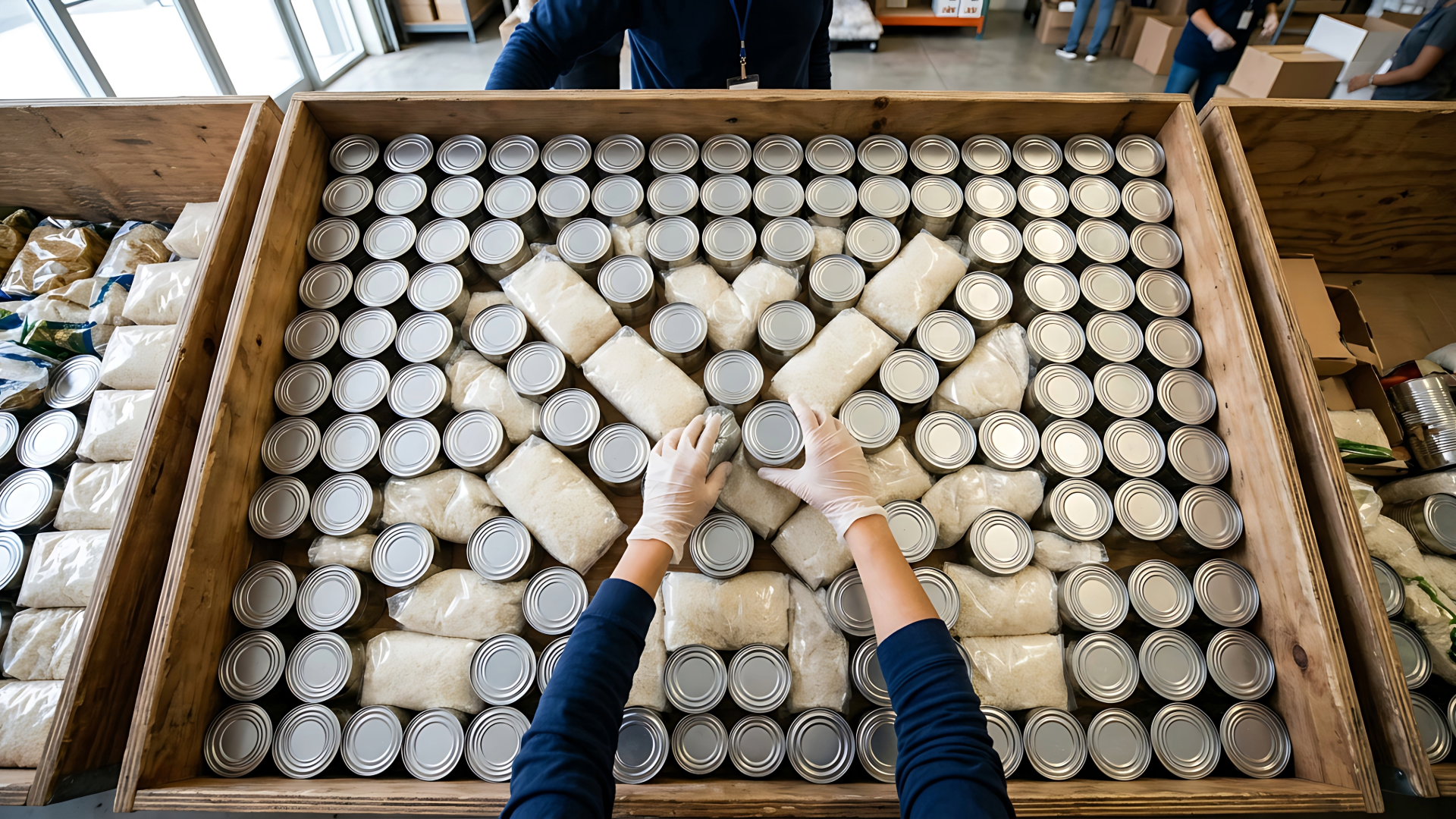
Canned goods are excellent for bartering. They are durable, require no cooking, and have a long shelf life. Canned meats, fruits, and vegetables are particularly valuable. Ensure the cans are undamaged and properly sealed.
Dried goods, such as beans, rice, and grains, are staples that provide essential nutrients. They are lightweight, easy to store, and have a long shelf life. Small, sealed bags of dried goods can be easily transported and traded.
Hard candies and sweets offer a morale boost and provide a quick source of energy. They are also easily transportable and have a long shelf life. Individually wrapped candies or sealed packages of sweets are ideal for bartering.
Coffee and tea are highly sought-after stimulants. They offer a sense of normalcy and provide a pick-me-up during stressful times. Small, sealed containers of coffee or tea can be valuable trading items.
Spices and seasonings, while not essential for survival, can greatly enhance the flavor of bland food. They are lightweight and easily transportable. Small, sealed containers of spices can be traded for other necessities.
Alcohol, particularly high-proof spirits, can be used for medicinal purposes, disinfecting wounds, or bartering. Small, sealed bottles of alcohol can be valuable trading items.
Tobacco products, such as cigarettes or chewing tobacco, are highly addictive and can be used for bartering. They are also easily transportable. Packs of cigarettes or sealed pouches of tobacco can be traded for other necessities.
Baby formula and infant food are essential for families with young children. They are highly sought after and can be traded for other necessities. Sealed containers of baby formula or infant food are ideal for bartering.
Consider items with specialized uses. Dried milk powder, for example, is highly versatile. It can be used as a food source or for baking.
When bartering, focus on quality and quantity. Ensure your goods are in good condition and offer fair portions. Build trust with potential trading partners.
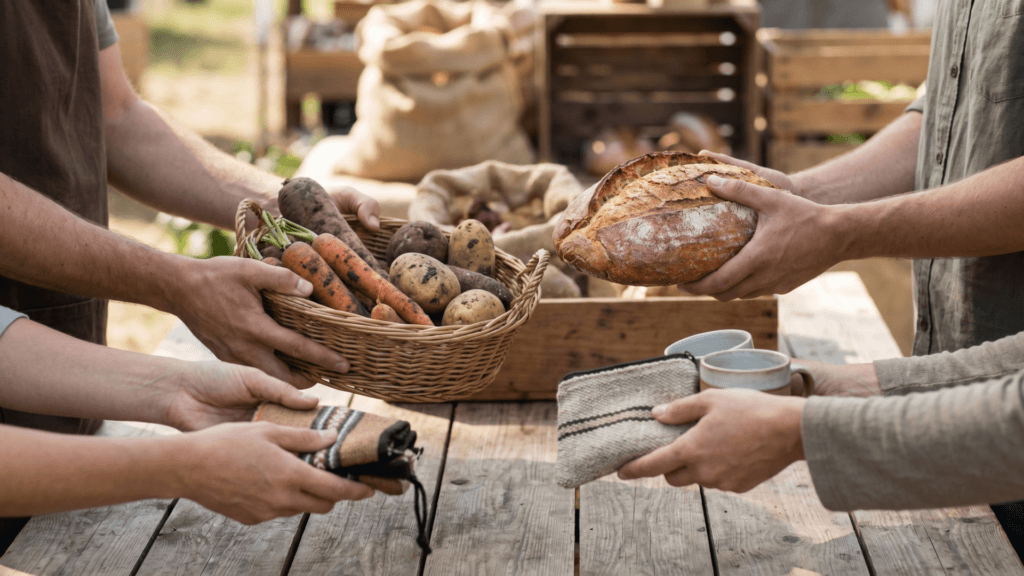
Remember that bartering is a two-way street. Be prepared to negotiate and offer fair trades. Develop a network of trusted individuals who are willing to participate in a barter system.
Psychological factors are crucial. Maintaining a positive attitude and a willingness to help others can go a long way in establishing trust and building relationships.
Remember that bartering is an ongoing process. Stay vigilant and adapt to changing circumstances. Be aware of potential threats and take appropriate precautions. Your ability to barter effectively will significantly impact your survival.
How to Build a Hidden Underground Food Cache
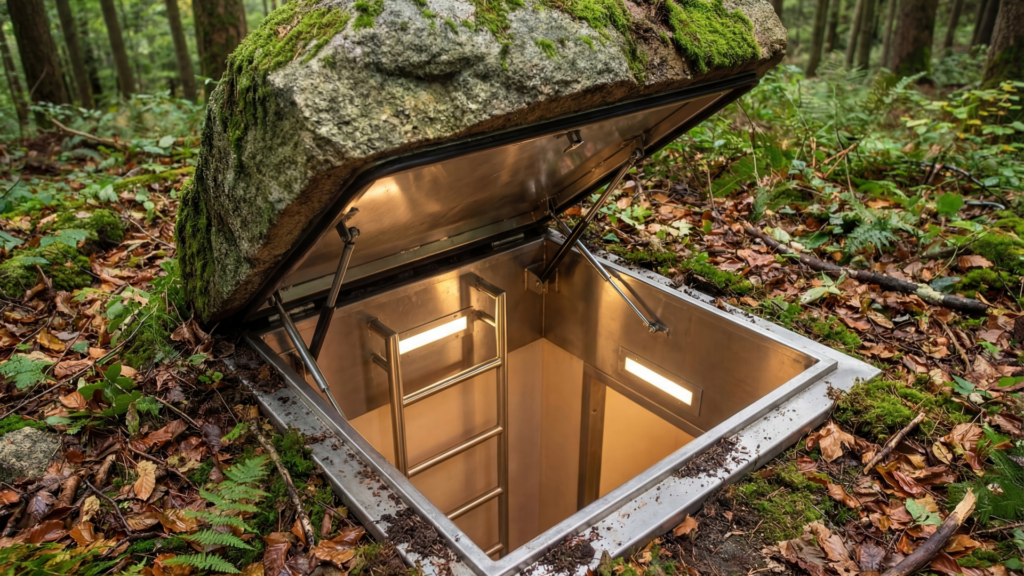
Building a hidden underground food cache ensures survival supplies remain safe from looters, enemy forces, and desperate civilians in a conflict zone.
Stockpiling food in a visible location makes it an easy target, and even well-secured homes can be raided or destroyed. A properly concealed underground cache provides a long-term, secure backup supply that remains untouched even when primary resources are lost. The key to success is strategic site selection, waterproofing, rodent-proof storage, and making the cache undetectable.
The first step is choosing the right location. The cache must be far enough from high-traffic areas to avoid accidental discovery but close enough for easy access in an emergency.
Ideal locations include forests, abandoned properties, natural depressions, or near landmarks that blend into the environment. Avoid placing caches too close to your home or known gathering points, as these will be the first places searched in a crisis. Areas that experience seasonal flooding, have a high water table, or show signs of frequent digging by animals should also be avoided.
Once a location is selected, depth and concealment determine how secure the cache remains. A depth of 3-4 feet is sufficient for concealment while still being accessible without heavy digging equipment.
If deeper, retrieval may become difficult in an urgent situation. A shallow cache under a layer of leaves, grass, or soil that looks naturally undisturbed prevents suspicion.
Mixing up digging locations, spreading disturbed soil, and planting vegetation over the site further disguises the cache. If the soil is too obvious, scattering small rocks, fallen branches, or natural debris ensures the area does not appear recently disturbed.
Choosing the right container prevents moisture damage, pest intrusion, and spoilage. Food-grade plastic buckets, sealed metal drums, or heavy-duty PVC pipes with secure end caps are ideal.
Buckets with gamma-seal lids provide an airtight seal and are rodent-resistant. Metal containers must be lined with plastic or Mylar bags to prevent condensation and rust.
Glass jars should be avoided unless well-padded, as shifting soil or freezing temperatures can cause breakage. For additional waterproofing, placing silica gel packs, oxygen absorbers, or vacuum-sealing food prevents spoilage.
If storing in an area with high moisture, wrapping the cache in plastic sheeting or sealing the container edges with silicone caulk protects against leaks. Burying the cache in well-draining soil rather than heavy clay or swampy areas ensures long-term preservation.
The type of food stored should focus on long shelf-life, compact size, and high nutritional value. Dehydrated meals, rice, beans, oats, powdered milk, and freeze-dried meats provide maximum calories with minimal bulk.
Canned foods last years but require moisture-resistant storage to prevent rust. Mylar bags with oxygen absorbers are the best method for storing grains and dry goods, keeping them fresh for over a decade when properly sealed.
Salt, sugar, and honey are indefinite shelf-life items that are also valuable for bartering. If possible, storing a small fire-starting kit, water purification tablets, and a basic first-aid supply alongside food ensures the cache is useful in a crisis.
To prevent animal interference, securing the cache against rodents, insects, and scavengers is crucial. Burying food in airtight, odor-proof containers eliminates scent trails that attract animals.
Sprinkling ashes, cayenne pepper, or lime around the burial site deters digging pests. Never bury food near known animal burrows or well-traveled wildlife paths, as they may accidentally uncover the cache.
A cache is useless if it can’t be found when needed. Marking the location discreetly ensures retrieval without leading others to it. A GPS coordinate saved on a hidden device or a coded note using natural landmarks provides a secure way to remember the site.
Placing a small rock formation, an inconspicuous carving on a tree, or a natural-looking arrangement of logs acts as a subtle marker. To avoid suspicion, using multiple caches in different locations ensures that if one is discovered or lost, others remain intact.
For long-term security, rotating food supplies every few years prevents spoilage. Checking buried caches in different seasons ensures they remain dry and intact.
If access is needed in winter, placing the cache near areas that don’t freeze solid, such as under forest cover or near insulated ground layers allows year-round access.
In high-risk environments, a well-hidden food cache provides a lifeline when main supplies run out. Unlike traditional food storage, underground caches remain invisible, secure, and untouched when chaos erupts.
Those who plan ahead with multiple hidden caches, waterproof storage, and proper concealment will always have a fallback when conventional survival options fail.