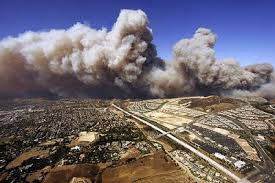
Disaster preparedness in museums, galleries, libraries, archives and private collections, involves any actions taken to plan for, prevent, respond or recover from natural disasters and other events that can cause damage or loss to cultural property. ‘Disasters’ in this context may include large-scale natural events such as earthquakes, flooding or bushfire, as well as human-caused events such as theft and vandalism. Increasingly, anthropogenic climate change is a factor in cultural heritage disaster planning, due to rising sea levels, changes in rainfall patterns, warming average temperatures, and more frequent extreme weather events.
The primary goal of disaster preparedness is to identify actions that can be taken to reduce either the chance of a disaster occurring or to lessen its effects. For example, clearing building gutters reduces the chance of overflow and leaks during heavy rainfall; storing collection objects inside closed cabinets reduces the chance of water damage should water leaks still occur. However, disaster preparedness is generally recognized as an ongoing process of planning, preparation, response and review in order to learn from disasters which do occur.
We use cookies to improve your experience on our site. By using our site, you consent to cookies.
Websites store cookies to enhance functionality and personalise your experience. You can manage your preferences, but blocking some cookies may impact site performance and services.
Essential cookies enable basic functions and are necessary for the proper function of the website.
These cookies are needed for adding comments on this website.
Google Tag Manager simplifies the management of marketing tags on your website without code changes.
Statistics cookies collect information anonymously. This information helps us understand how visitors use our website.
Google Analytics is a powerful tool that tracks and analyzes website traffic for informed marketing decisions.
Service URL: policies.google.com (opens in a new window)