Building a Survival Garden Under Threat
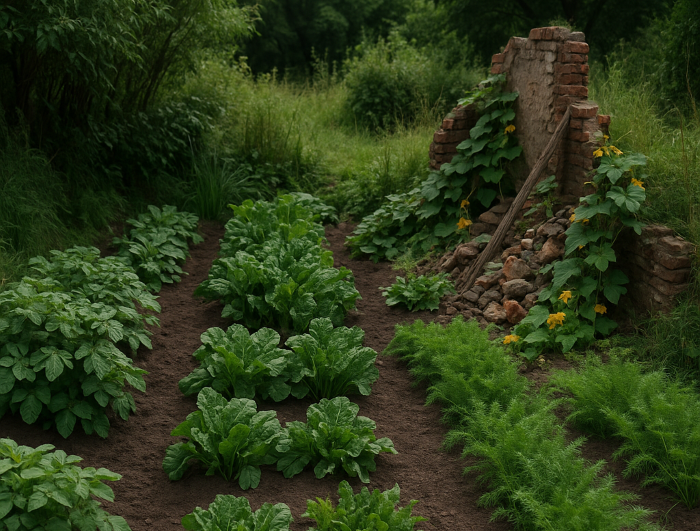
In conflict zones, traditional gardening can attract unwanted attention from looters or enemy forces. A survival garden must be concealed, resilient, and capable of producing food with minimal upkeep. My garden is hidden in our backyard. Unless you are on our property, you won’t see it. I have a lot of herbs growing everywhere, plus there are many trees and foliage.
Concealment and Location Strategy
- Disperse crops across abandoned lots, forest edges, or hidden spaces
- Use guerrilla gardening tactics in industrial areas, ruins, or brush
- Avoid visible signs like tilled rows and raised beds
- Camouflage with native plants and weeds
Related: Best Plants for a Survival Garden in Tough Conditions
Best Survival Crops for Conflict Zones
- Roots: Potatoes, yams, carrots, sweet potatoes
- Leafy greens: Spinach, mustard greens, kale
- Legumes: Beans, lentils, peas (add protein + fix nitrogen)
- Perennials: Berry bushes, nut trees, fruit trees
- Vines: Pumpkins, squash, grown along rubble or fences
Related: The Ultimate SHTF Survival Lessons Guide, Lesson #1-2, Food and Water
Water Solutions
- Rainwater catchment via tarps, gutters, and containers
- Drip irrigation with buried bottles or clay pots
- Use drought-tolerant crops like amaranth or cassava
Soil and Fertility
- Use compost, animal manure, or biochar
- In contaminated zones, opt for raised beds or containers
- Cover crops like clover can rebuild soil health
Related: Survival Prepping 101 Part 3: Food Storage
Garden Security and Harvesting
- Hide crops with irregular planting patterns and weeds
- Add decoy or inedible plants near obvious paths
- Harvest progressively, not all at once
- Use stealth tools and garden at night or during low visibility
Seed Security and Redundancy
- Save heirloom seeds and hide or disguise them
- Swap seeds with trusted allies
- Store in waterproof, buried containers for long-term access
Related: What Is Permaculture in Survival?
Growing Food Indoors When the Outside World Is Unsafe
Indoor Gardening as a Survival Strategy
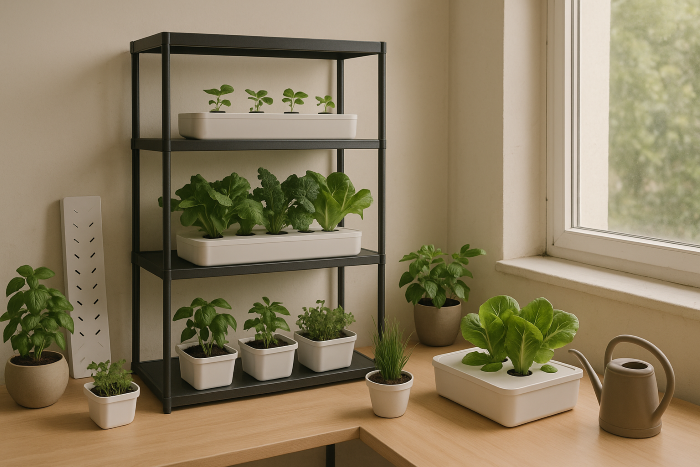
If outdoor gardening is too risky, indoor cultivation provides a secure way to maintain food independence.
Related: How to Stockpile Food and Water and Purify Water Long-Term
Maximizing Limited Indoor Space
- Use vertical shelves, hanging baskets, and wall planters
- Hydroponic or aquaponic systems reduce space and soil needs
Lighting and Temperature Control
- Install LED grow lights with programmable timers
- Maintain 65–80°F temperature and 40–60% humidity
- Use fans, humidifiers, or passive airflow systems
Related: Survival Prepping 101 – Part 2: Water
Soil, Nutrients, and Watering
- Use clean, nutrient-rich potting mix or soilless media
- Set up moisture meters or self-watering containers
- Collect and filter rainwater when possible
Best Indoor Survival Crops
- Leafy greens: Lettuce, kale, spinach
- Herbs: Mint, basil, chives
- Roots: Radishes, baby carrots in deep containers
Related: Bushcraft – Part 3 Safe Water for Survival
Pest Control and Pollination
- Use neem oil or insecticidal soap if needed
- Manually pollinate fruiting crops like tomatoes or peppers
- Keep the grow area clean and sanitized
Harvesting, Storage, and Mental Health
- Harvest at maturity and store via drying, canning, or freezing
- Gardening indoors reduces stress and provides a sense of control
Featured Snippets Q&A
Q: How can you grow food during a war or crisis when it’s unsafe outside?
You can grow food during a crisis by creating concealed survival gardens in hidden outdoor areas or by cultivating crops indoors using vertical gardening, grow lights, and compact hydroponic systems. Choose fast-growing, low-maintenance crops, secure clean water sources, and avoid drawing attention to your food supply.
Q: What are the best crops for survival gardening in a conflict zone?
The best crops for survival gardening in a conflict zone are root vegetables like potatoes and carrots, leafy greens like kale and spinach, and legumes like beans and peas. These plants are high in calories, grow quickly, and can be camouflaged or hidden underground to avoid detection by looters or enemy forces.
Q: How can I grow food indoors during emergencies without electricity?
To grow food indoors without electricity, use natural sunlight from windows and opt for soil-based or hydroponic setups that don’t require grow lights. Choose fast-growing, shade-tolerant crops like lettuce, herbs, and radishes, and water them with collected rainwater or stored supplies. Maximizing vertical space helps increase yield in small areas.
Final Thoughts on Gardening for Survival
Whether you’re growing food in a war-torn area or locked inside during a societal collapse, survival gardening is a skill that builds resilience, nutrition, and independence. At SurvivalPrepperSupply.com, we believe prepping isn’t just about storing food — it’s about learning how to grow it, no matter the conditions.
We’d love to hear from you. Have you experimented with survival gardening, whether in uncertain times or challenging environments? What worked for you, and what lessons did you learn? Drop your thoughts, questions, or tips in the comments below. Your insight might be precisely what another prepper needs.

I’m the daughter of 2 original survivalists who moved from the north to sunny Florida. My mother, along with her parents, bought 30 mostly uncleared acres in 1938. The first home was made of pecky-cypress and built by a house-raising. My mother raised 10,000 chickens.
My divorced mother met and married my father in 1948. From pine trees on our property, he hand-built a log cabin. He also built a tarpaper-lined 65’x45′ pool with duck pond overflow. We had an artesian well for our water and powering our hand-built waterwheel for the pool. He built a substantial cantilevered roof workshop with a car pit in the massive cement floor.
Since my early teens, I have read a ton of books about survival, prepping, the bomb, an apocalypse, homestead living, and SHTF situations. As an adult, I continue to read sci-fi, survival prepping, and science. I practice a prepper lifestyle albeit a bit modified, read a lot, buy a lot, pack/store a lot of anything survival related.
Read my About Me post for more details on our self-sufficient living. I lived there until I went to college in 1968.
My SurvivalPrepperSupply.com blog strives to educate individuals on coping with natural and human-caused disasters using article posts about preparing for emergencies.